
Health and Wellbeing in Planning Network hosted their second annual Summer Forum this year at NHS Property Services
We were delivery partners for the Summer Forum, working alongside Prior + Partners, Quality of Life Foundation, Optimal Cities, local authority representatives and Urban Habitats

On 30 July 2025, the Health and Wellbeing in Planning Network convened its second annual Summer Forum at NHS Property Services, bringing together leaders from planning and public health to accelerate the integration of health into place-making. The Network that was founded by Michael Chang, Rachel Flowers and Gemma McKinnon, hosted its second annual Summer Forum, creating a vital space for exploration and collaboration between urban planning and public health practitioners delivering healthy places.
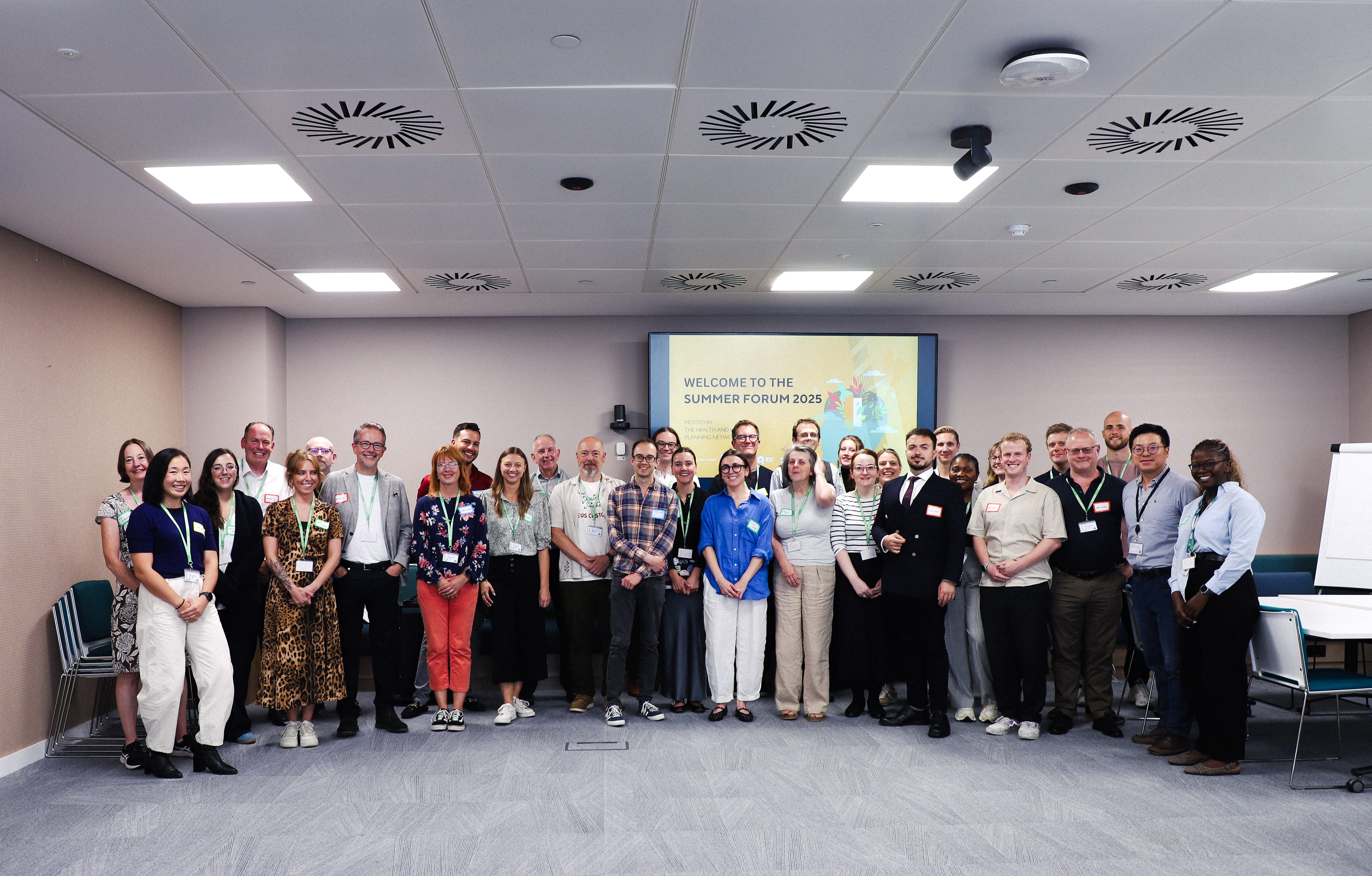
A cross-sector gathering
The event brought together representatives from NHS organisations, local authorities, practitioners and private developers to tackle one of the most pressing challenges in contemporary place-making: how to effectively integrate health considerations into planning practice.
Breaking down silos
It reflected on a growing recognition that creating healthy places requires breaking down traditional silos between sectors. The diverse attendance demonstrated the breadth of stakeholders needed for this agenda: public health professionals, planning officers, developers, consultants, and policy makers all contributed their unique perspectives and experiences throughout the day.
What we learned
Five key insights* emerged from the day’s intensive discussions:
● Narrative power: Success depends on “winning hearts and minds” through compelling narratives and bringing along the community and a wide network of stakeholders.
● Translating evidence: The ability to translate evidence across professional boundaries is one of the biggest tasks requiring dedicated resource, time, and collective responsibility to handle with appropriate nuance.
● Cultural differences: Planning and public health departments operate at different speeds and sometimes from an “art vs science” perspective, while educational support in terms of developing appropriate skills could be better adapted to the current needs of our workforce.
● Private sector engagement: It is crucial that developers and investors are brought in and are part of the debate about how we tackle health inequity and how the planning system can best harness and empower private sector investment.
● Assessment integration: While health impact assessments can work well with early engagement and commitment from across the planning system - from policy development to decision-making - there is still a disparity in approach and between the different assessments such as environmental and strategic assessments and in the way that they are conducted. Teams need to assess how these can be integrated without duplicating efforts. Digital tools and national scaling of successful methods and models could offer promising paths forward.
*further learnings from the day can be found here.
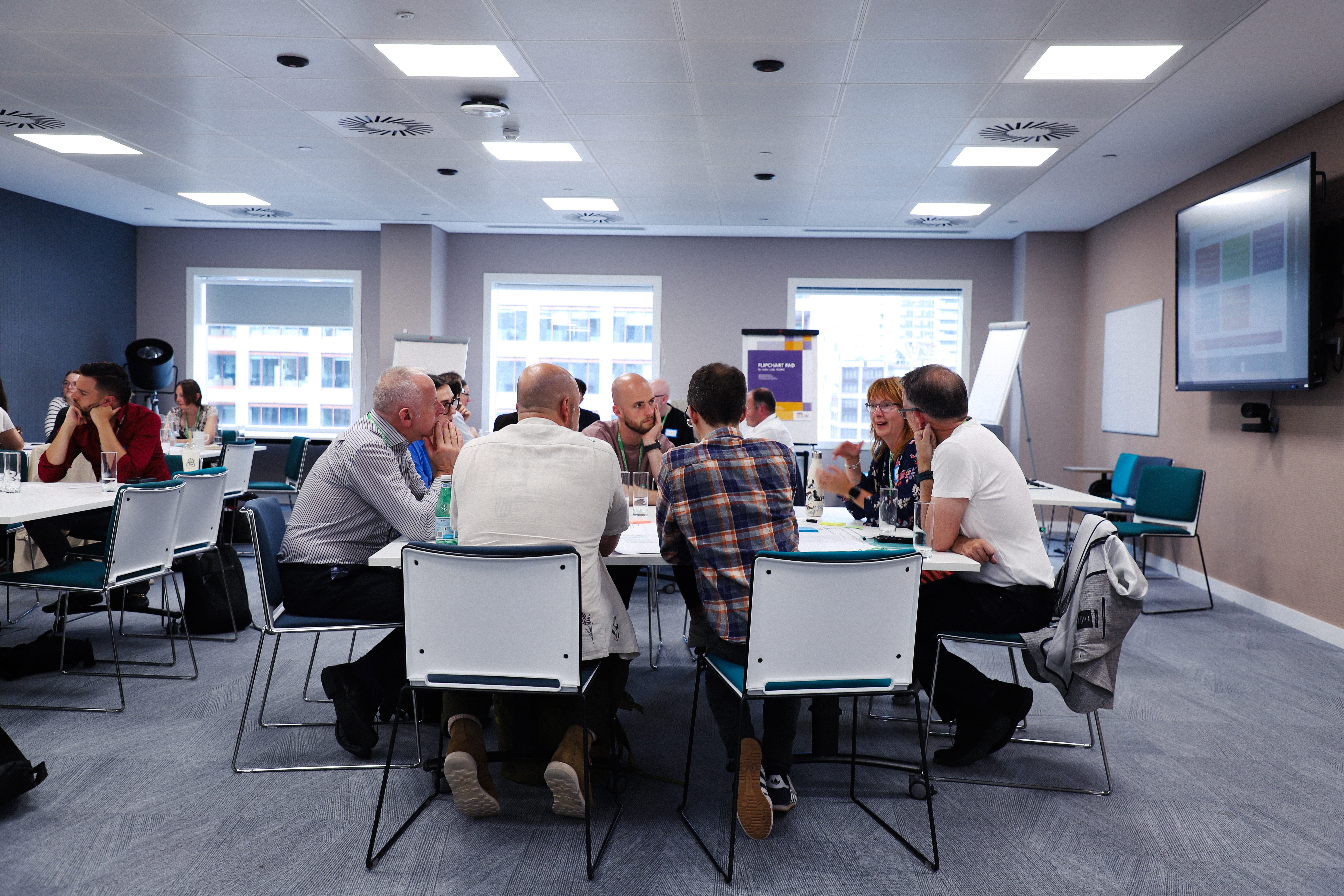
These insights support and reflect a broader shift happening across the profession. The Association of Directors of Public Health’s publication “What Good Local Spatial Planning for Healthy Places Looks Like,” reinforces the need for structured, collaborative approaches – particularly around building workforce capacity, establishing clear protocols for health and creating systematic approaches to health integration.
Looking ahead: Community of Practice launch
The Network will continue to meet through their Community of Practice to discuss, share and collaborate on health integration within the planning system.
The Community of Practice will officially launch at the Healthy City Design Congress on 14 October 2025, with further presentations at the RSA later in the month.
Join us to help build the critical mass needed for healthy places.
To join the Health and Wellbeing in Planning Network and be part of the growing movement, sign up through the website below.
Sign up here
As the planning system evolves, forums like this are essential for building the shared understanding and momentum needed to create truly healthy places.